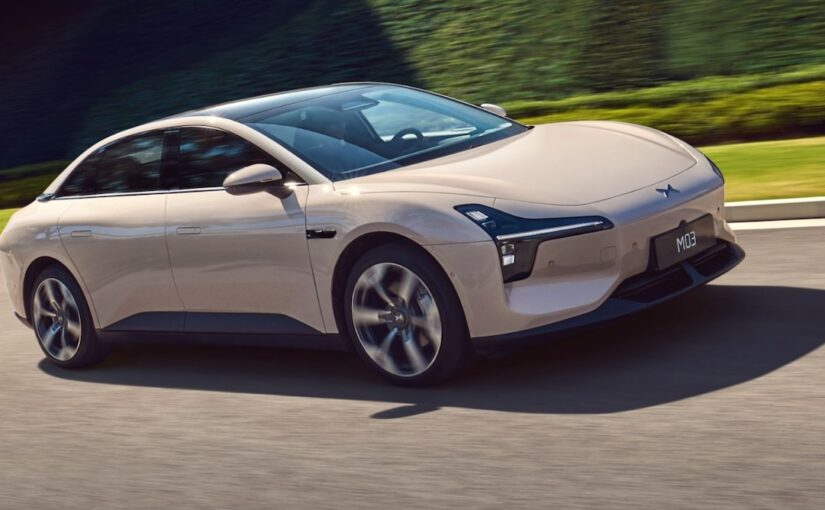
Electric cars (EVs) do need maintenance, but generally less than fuel-powered (internal combustion engine, or ICE) cars. Here’s a breakdown:
✅ What EVs do need for maintenance:
- Tire rotations and alignments
- EVs are often heavier due to the battery, so tire wear can be faster.
- Regular rotation helps extend tire life.
- Brake system checks
- EVs use regenerative braking, which reduces wear on traditional brakes.
- However, pads and fluid still need inspection (just less frequently).
- Battery and cooling system checks
- The high-voltage battery has a cooling system that may need service over time.
- Software updates may also optimize battery performance.
- Cabin air filter replacement
- Like in ICE cars, this keeps air inside the car clean.
- Suspension and steering components
- These still wear down and require occasional inspection and maintenance.
❌ What EVs don’t need (compared to fuel-powered cars):
- No oil changes
- No spark plugs, fuel filters, or exhaust system checks
- No timing belts or engine air filters
- No transmission servicing (most EVs use single-speed transmissions)
EVs require about 30–50% less maintenance overall. That means fewer trips to the shop, fewer routine costs, and often longer service intervals. However, battery issues can be expensive if they occur outside warranty — though they’re rare.
Ultra Tune offers servicing for electric vehicles (EVs) — at selected locations — including checks for braking systems, tyres, suspension, battery systems and software updates. They are also the official national service partner for XPENG EVs in Australia.
Book a service now at www.ultratune.com.au